top of page
Village Giving Circle Grant

In 2023, we began writing grants to fully fund our programming, and we experienced remarkable success—especially for our first year applying. We received a total of $20,000 from the Village Giving Circle and the Communities Foundation of Texas,  all on our first attempt.  The grant-writing process also revealed an opportunity to strengthen our data-gathering and analysis systems to better measure and communicate our impact.

That year, we also embarked on developing a strategic plan, which led us to adopt a more localized approach to serving students. We realized it was challenging to effectively implement our wraparound service model across the entire Dallas–Fort Worth metroplex. Referrals to resources—such as food pantries, job assistance, and most of our teaching staff—were concentrated in southwestern Dallas. Serving students as far away as Garland made it difficult to provide consistent, accessible support. By narrowing our focus to the southwestern Dallas area, we could maximize the time students spent with us and better prepare them for long-term success.

Most of our students were three to four grade levels behind, and one year of tutoring was not enough to close that gap. Our goal is to work with them continuously, leveling the playing field so they can compete with their peers and have every opportunity available to them.

We also began working with Social Venture Partners Dallas.  SVP is an organization that partners with nonprofits to help them achieve their goals. Through the Dana Jewitt Program—an initiative pairing young professionals with nonprofits—we spent over eight months refining our board recruitment process, creating a grant-vetting system, and organizing opportunities to ensure we pursue those that are the best fit.  Participation in that program provided grant funding from the Addy Foundation, the Sapphire Foundation, and SVP and established meaningful relationships with individuals within those organizations.  

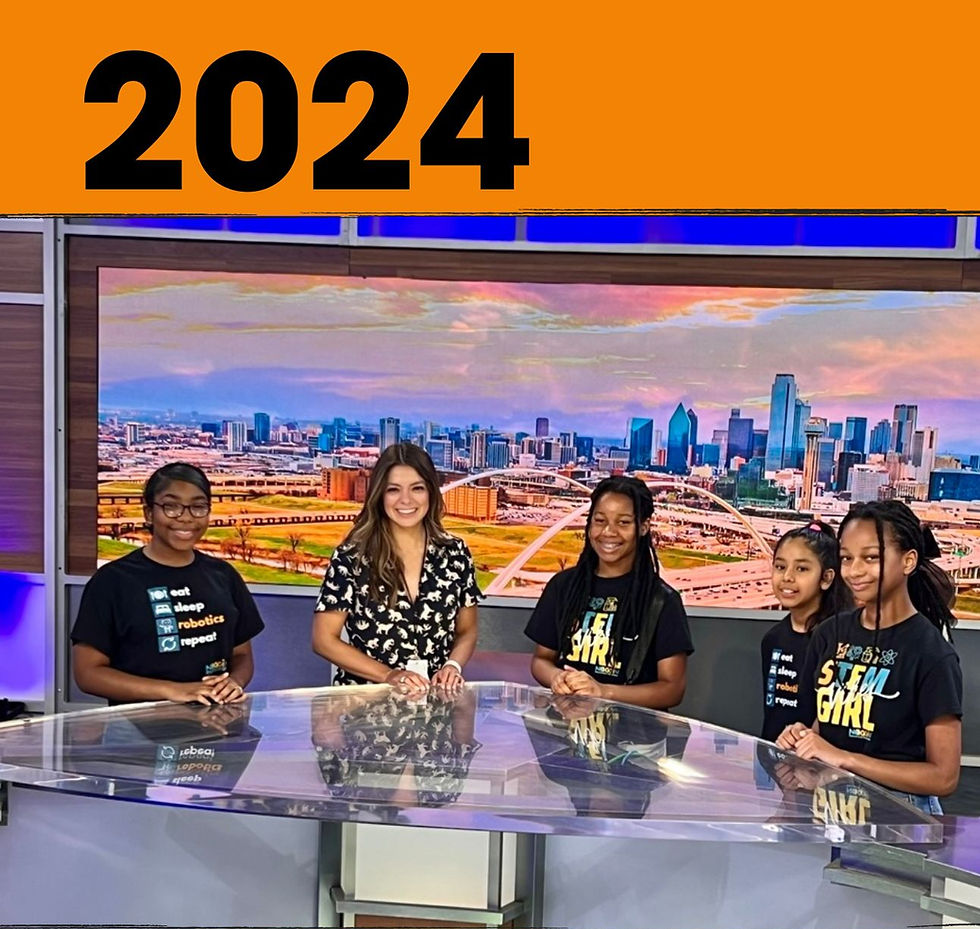
This year in Lubbock, Texas, we expanded our one-day coding and robotics event into a full week of immersive learning. The extended format allowed students to gain more hands-on experience with robotics and explore coding in fun, creative ways. Over the course of the week, participants built a deeper understanding of how the robots function and developed practical skills they can use in the future. They learned to write algorithms and conditional statements, gaining an engaging introduction to the world of robotics.

One of the highlights of the year was when we were nominated by D CEO Magazine for their Innovation in Education Award. While we did not win, the nomination itself—given to only a select number of organizations from a large applicant pool—was a meaningful recognition of our work in education.


2023 Timeline

January- Communities Foundation of Texas grant awarded

May- D CEO Nomination- Innovation in Education

Expanded robotics to a week-long camp

June- Addy Foundation grant awarded

Social Venture Partners grant awarded

July- First coding camp

November- Sapphire Foundation grant awarded

Village Giving Circle grant awarded


Robotics Camp 2022
Robotics Camp 2022

2021 and 2022 were years of launching and new beginnings. I was focused on building a team that could help us stay informed about trends, offer valuable insights, and provide wisdom across various areas. With a small board, we needed additional individuals to help us answer important questions. That’s why we launched our Advisory Council—a think tank of individuals who believe in our vision and partner with us to advance our mission.

We also hosted our first robotics camp, inspired by an idea from one of our board members. Her daughter had competed on a robotics team, and she recognized the value of bringing that opportunity to our families. Camps like these are typically out of reach for the demographic we serve, but they offer students invaluable hands-on STEM experience, boost problem-solving and collaboration skills, and spark interest in high-demand careers in science and technology. She saw the need to advocate for Noggin students to have that same opportunity—and 20 students attended that first camp!

In November 2022, we reached a major milestone: $100,000 in annual donations. Many nonprofits don’t make it past $20,000 or even $50,000 annually, so this achievement marked a significant step forward in establishing our legitimacy. It demonstrated to our stakeholders the real impact we’re making and opened the door to future funding opportunities.

That December, we decided to host a Christmas party for our families. One of our core values is relationships, and we wanted to spend time with our families outside of academic programs and get to know them better. It was also a way to ease the burden of the holidays. Every family left the party with bags of gifts slung over their shoulders—just like Santa—thanks to the generosity of our donors. This is a tradition we’re proud to continue every year.


2021-2022 Timeline

December- Advisory Council established

July- First robotics camp held

August- Launch of the youth Junior Board

October- Parent Liaison program launched

November- Noggin Educational Foundation hits $100K in annual donations

December- First Noggin Families Christmas Gift Giveaway party


S.P.A.R.K. 2020
S.P.A.R.K. 2020

We started 2020 like any other year. We had already reached out to our summer program partner, and as expected, they were eager to continue. In fact, we were ahead of schedule. Most years, it takes until mid-summer to reset and prepare all the SPARK activities, but I had hired someone to take the lead. By the end of April, everything was ready. We were proud and excited.

At that point, COVID still felt temporary—just a lockdown and some changing headlines. But as the reality of the pandemic set in, I made the difficult decision: for the first time since founding Noggin, we would not have our SPARK program.

Then I got a call from our partner asking if we could deliver SPARK online. My knee-jerk reaction in my head was, “Absolutely not.” SPARK was designed to be tactile and hands-on with fun games and activities. I said I’d look into it,  hung up the phone, cried a little, and prayed a lot.  To my surprise, within a few days, I had figured out how to take Noggin online.

We found ourselves in the same place as many schools at the timefiguring it out!  With a month to go before Summer we created a curriculum including digital activities, videos and games using online platforms without ChatGPT.  With the help of flexible and dedicated teachers we were able to make the virtual experience a success. Despite all my fears, we pulled it off and gave the kids a great summer.

Behind the scenes, however, we were facing a financial crisis. Donations dropped dramatically. With so much uncertainty, many people stopped giving. We reached a point where our cash reserves were so low that I had to tell the board we would have to close if we didn’t receive more donations within the next month. Like many nonprofits, we were hanging on by a thread and I didn’t know how we would recover.

Then George Floyd was tragically killed, and our world changed. The protests and conversations around racial justice sparked a movement that also changed Noggin. Friends began reaching out, asking what they could do in light of the injustices that were being revealed.  They wanted to know how they could make black lives matter. I told them that the majority of the students we served were black and brown.  It had been our mission to honor their lives by ensuring they have access to academic opportunities that lead to lasting success.


I challenged them, and those who had supported us before, to support our students and help us level the playing field. And our work had a broad impact, reaching beyond our students to also positively influence their families and peers.  Our mission resonated. Donations started coming in again, and many people gave for the first time. By the end of the year, we were out of financial danger.

Though it came through a deeply painful moment in our history, that surge of support helped save Noggin—and allowed us to continue impacting hundreds of students and their families.


2020 Timeline

June- First Virtual S.P.A.R.K

Due to the COVID-19 Pandemic, S.P.A.R.K. went virtual. 67 students from two organizations were served in Downtown and South Dallas.


bottom of page